

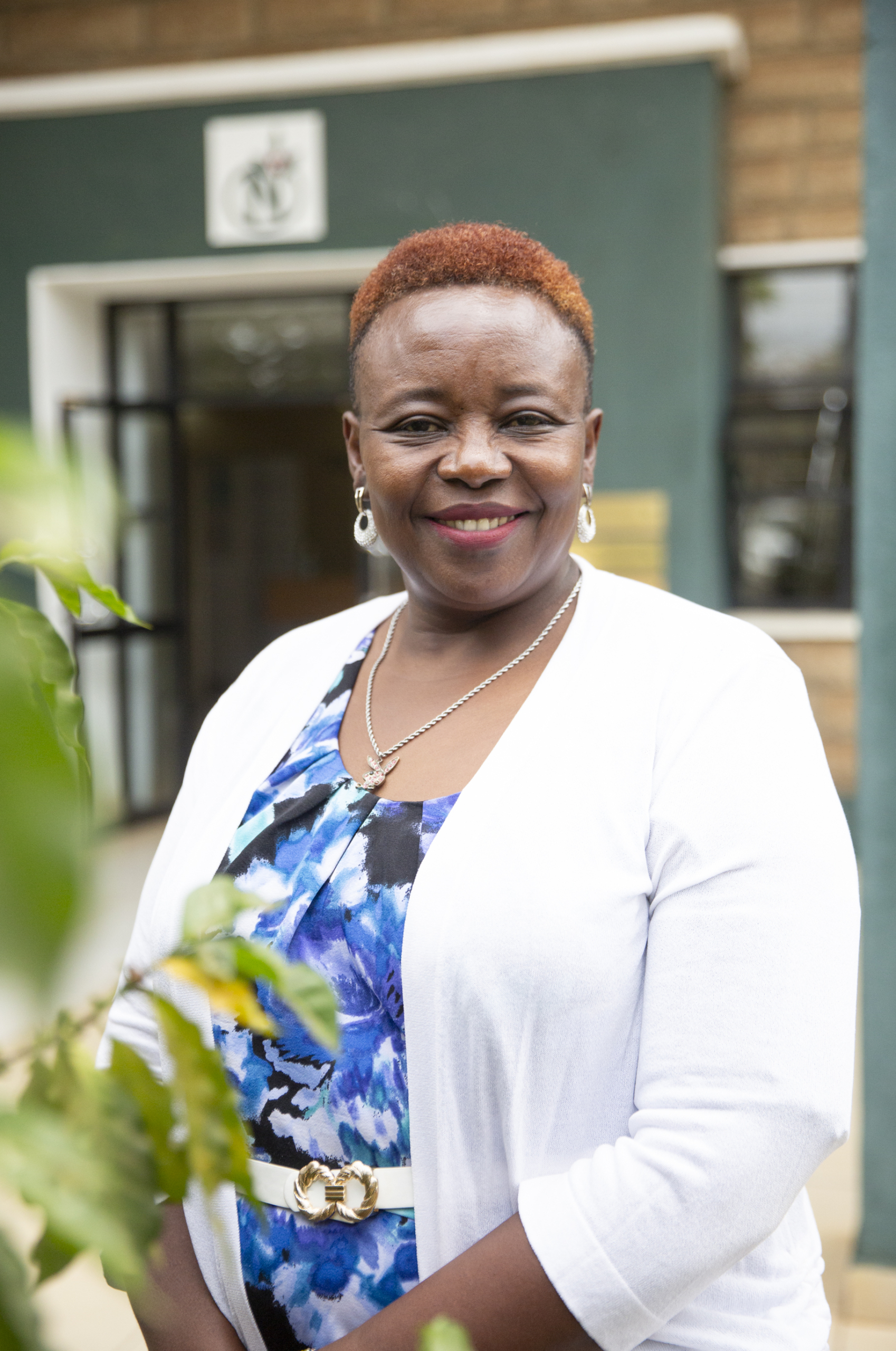
Judith Murimi
Judith Murimi is Regional Head of Quality and Food Safety at NKG East Africa. She oversees the teams that grade, cup and classify coffee across operations in Kenya, Tanzania and Uganda, and she still spends time at the cupping table herself.
We asked her what quality in coffee actually means, what can put it at risk, and why it matters from farmer to customer.
What she lovesMentoring young quality professionals
Her coffeeFrench press or filter, with bright acidity
“Many people think coffee quality control is simply about tasting coffee and deciding whether it tastes good or bad. In reality, it is a much more complex discipline that combines science, sensory skills, data analysis, risk management and commercial judgement.”
Judith Murimi
Judith, how did you end up working in coffee quality?
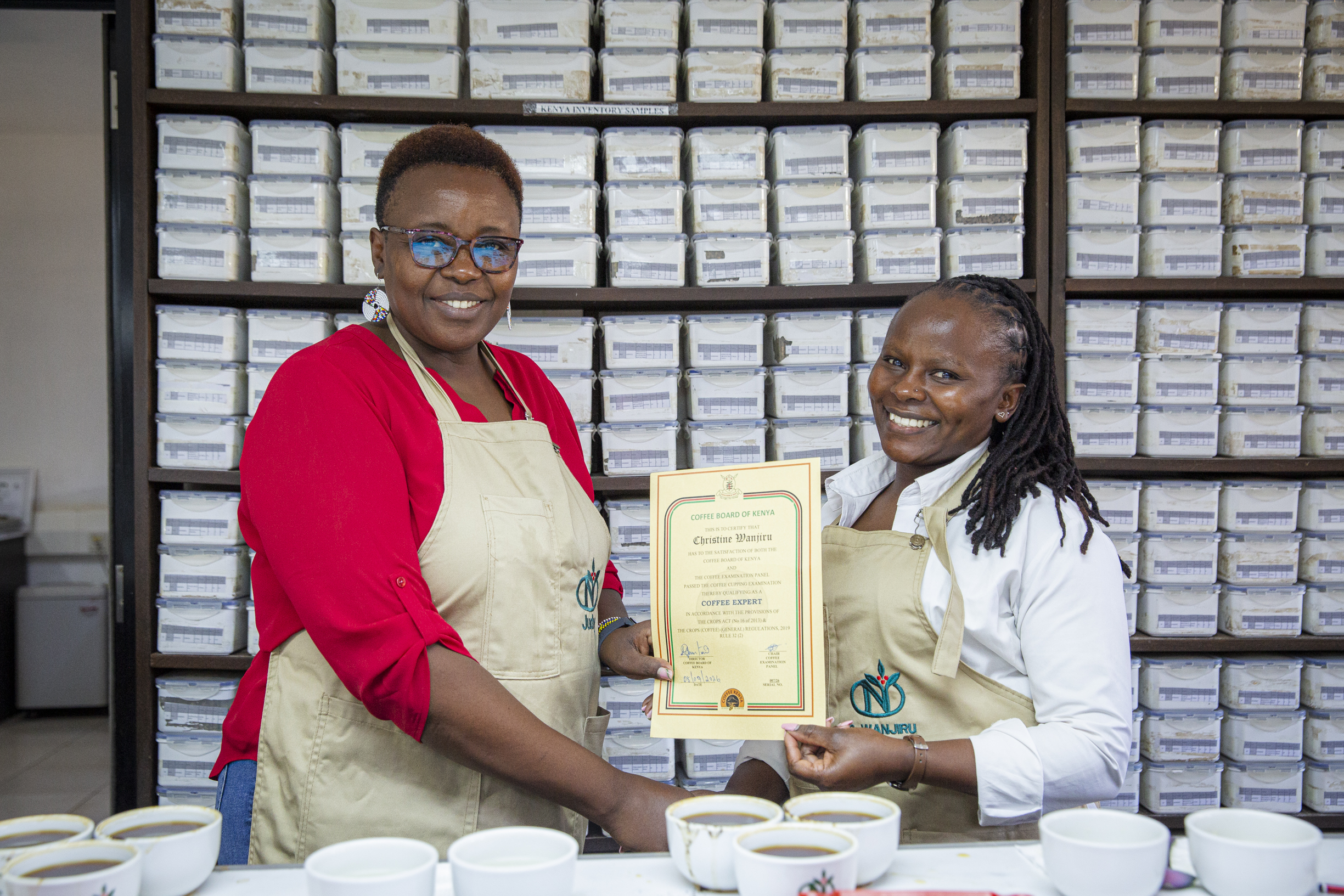
Through hands-on training in the industry. I have worked across green coffee assessment, cupping, classification, processing, blending and food safety. A brief period with the Coffee Board of Kenya gave me exposure to industry standards and the regulatory environment.
Can anyone learn to taste coffee the way you do, or are some people born with it?
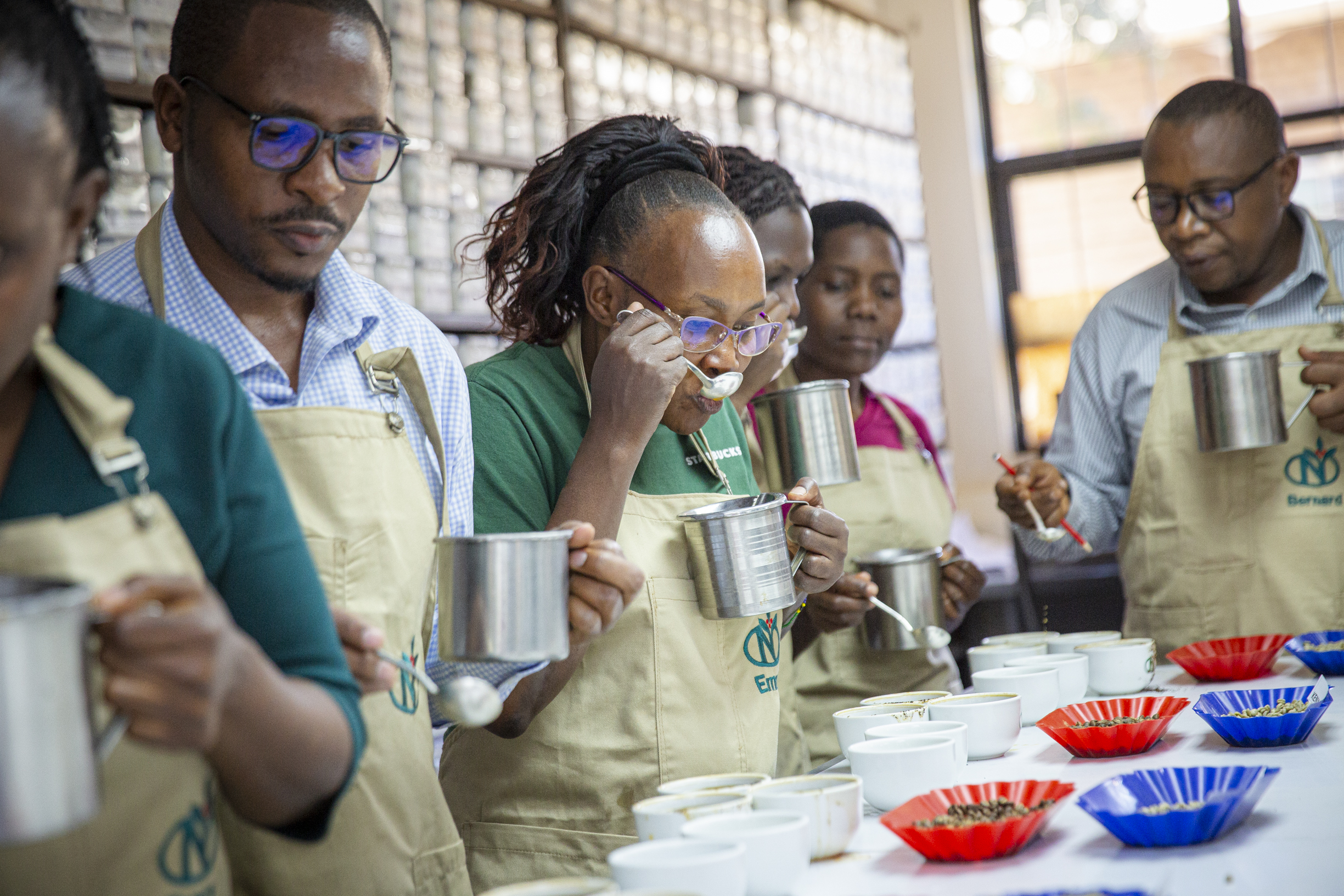
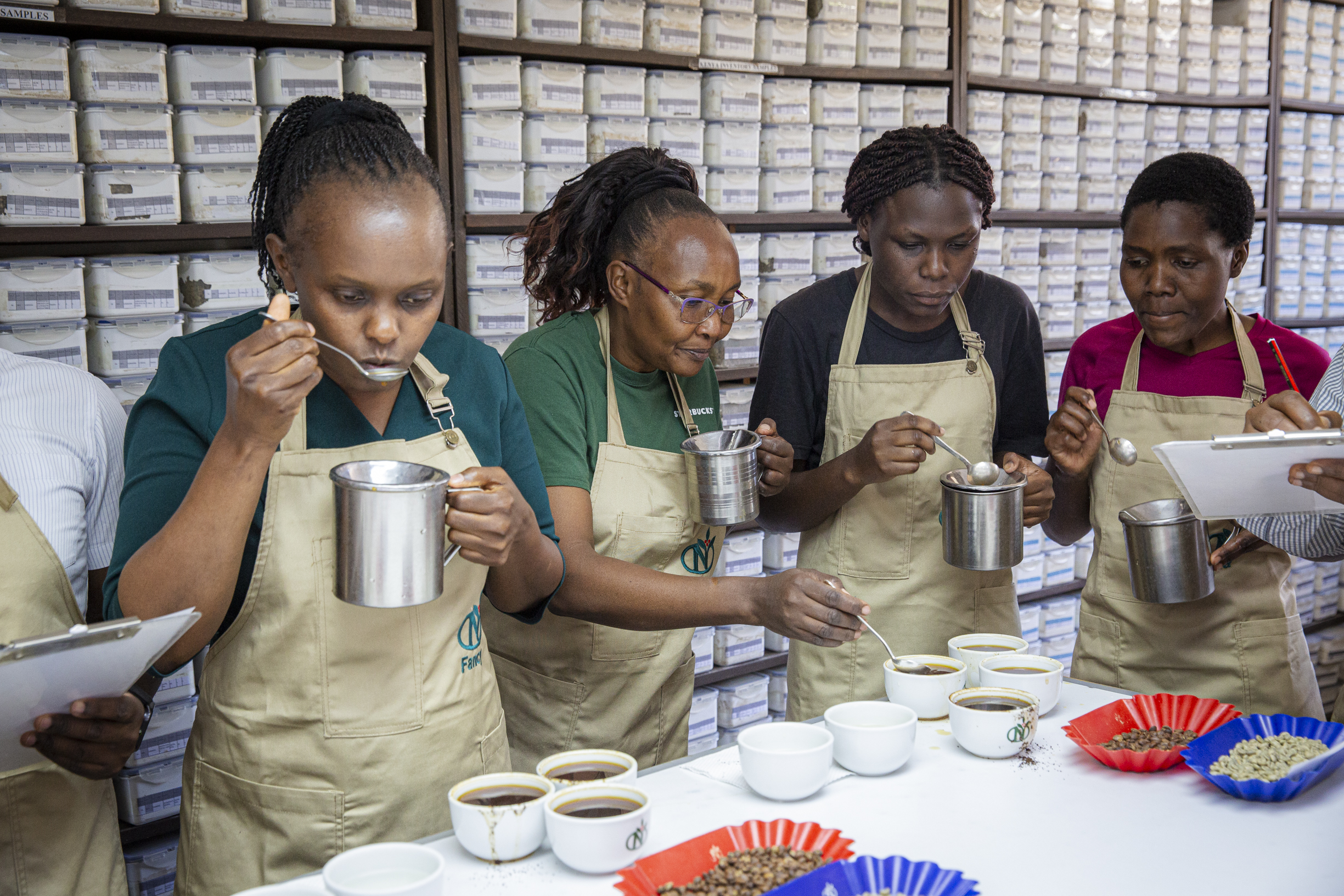
Largely, yes. It’s trainable. It develops through repeated cupping, exposure to different origins, learning sensory descriptors and calibrating with experienced tasters. Over time you learn to connect what you taste in the cup with what happened during processing or handling.
Two experienced tasters can taste the same coffee differently. How does your team agree on a grade?
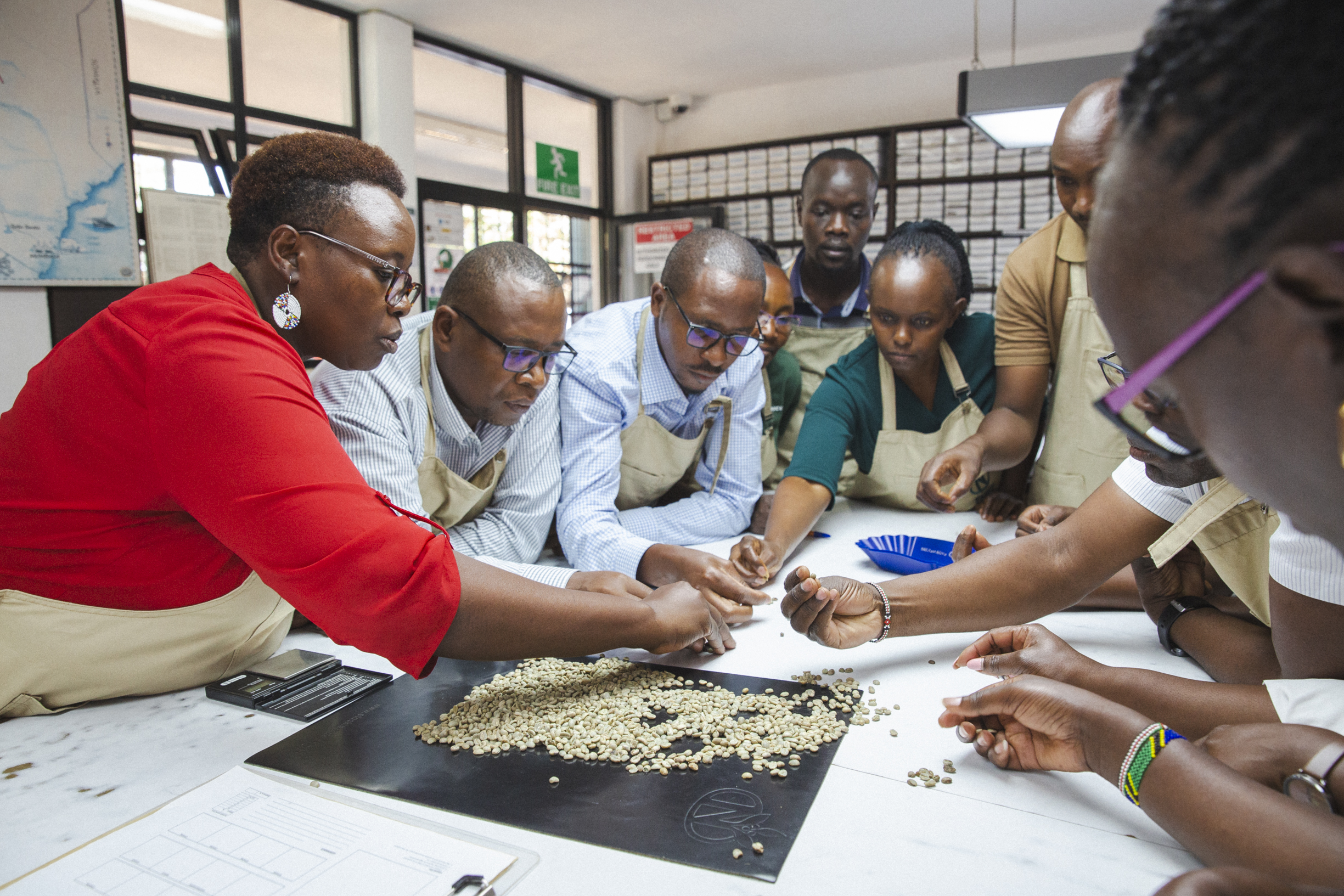
It usually happens with less obvious defects or similar sensory attributes. Going back to the reference samples, discussing the descriptors and cupping together brings our assessments into line.
This is what we call calibration. It is not about proving who is right. It is about developing a common understanding and consistency in how we assess coffee quality.
Is quality the same in Kenya, Tanzania and Uganda?
The fundamentals of coffee quality remain the same across countries, but each origin has unique characteristics influenced by variety, growing conditions and processing methods. My experience has taught me that effective quality management means respecting each coffee’s identity, applying consistent technical standards, and meeting customer expectations.
“Calibration is not about proving who is right. It is about developing a common understanding.”
Judith Murimi
Has one country taught you something the others haven’t?
Every origin has its own strengths and lessons. Kenya has reinforced the importance of precision in grading. Tanzania has highlighted the diversity of coffee profiles. Uganda has deepened my appreciation of different coffee types and processing methods.
The greatest lesson is that quality begins at the farm and has to be protected along the whole value chain. That has moved my approach beyond accepting or rejecting coffee, towards preventing losses and supporting suppliers.
When you call a coffee high quality, what are you actually looking for?
We look at both its physical condition and its sensory characteristics. Physically, that means moisture content, defect levels, bean appearance, size and uniformity. In the cup, we evaluate fragrance, aroma, flavour, acidity, body, sweetness, balance and cleanliness. We also consider consistency, traceability and the customer’s specifications.
High quality means the coffee is physically sound, clean in the cup, consistent, and suitable for its intended market.
What can go wrong before a coffee reaches your lab? And can it be fixed?
A great deal can happen before coffee reaches the laboratory. Poor farming practices, poor cherry handling, delayed pulping, improper fermentation, inadequate drying, rewetting, contamination and improper storage can all compromise quality.
Sorting can remove some physical defects. But once coffee has developed undesirable flavours, the original cup profile may not be recoverable.
The most effective quality intervention is the one that prevents the loss before it happens. That cannot rely on a single point of control. It takes an approach across the whole value chain.
Has a coffee ever surprised you?
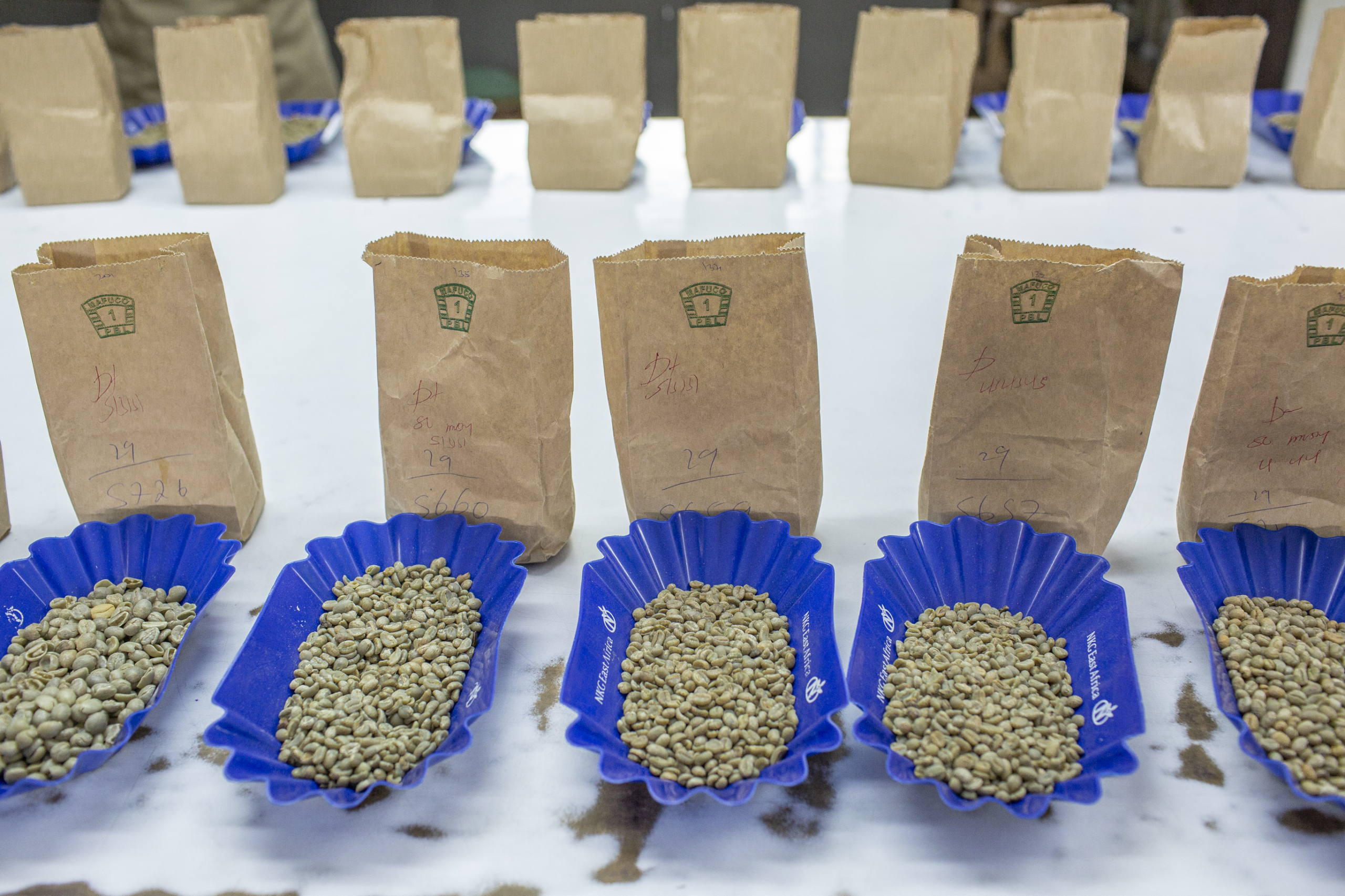
A coffee can look excellent during physical grading but disappoint on the cupping table. The beans may be uniform, bold and within the moisture target, yet the cup reveals musty, earthy or fermented notes. The reverse also happens: a coffee may look less impressive physically but deliver a clean, balanced and distinctive cup.
These situations remind me to assess every coffee systematically rather than make assumptions based on its origin or appearance.
Does what you find in the lab make it back to the farmer?
Yes. We share feedback with suppliers through quality reports, meetings and training sessions. When we identify recurring defects or undesirable cup characteristics, we investigate possible causes and suggest practical improvements, jointly with our field teams.
That feedback can influence how the next harvest is handled. By helping farmers understand the relationship between their practices and the final cup, QC becomes more than a control function. It becomes a tool for continuous improvement.
Are you seeing changes in coffee quality that you link to the weather or climate?
Yes. We are seeing greater variability that may be linked to irregular rainfall, prolonged dry periods and rising temperatures. These affect flowering, cherry development, ripening and drying.
In the lab, this can show up as inconsistent bean development, moisture levels, defects and cup profiles. But we have to separate weather effects from harvesting, processing and storage practices before attributing a change to climate.
“I would encourage farmers to see quality control not as an extra cost, but as an investment.”
Judith Murimi
If a farmer asked why quality matters for their income, what would you say?
I would tell them that quality is one of the ways they can protect the value of their hard work and create opportunities for better returns. How they care for their trees, harvest, sort, process, dry and store their coffee influences the final cup, how buyers perceive it and how much they are willing to pay. Good quality can open doors to premium markets.
I would encourage farmers to see quality control not as an extra cost, but as an investment.
What is at stake in a quality decision?
Interpreting coffee quality accurately at every stage of the value chain guides decisions on purchasing, pricing, processing, storage, blending and shipment. Effective quality management preserves value, reduces losses, meets customer expectations and creates opportunities for better returns to producers.
Ultimately, accurate quality assessment drives sound decisions that create value from the farmer to the final customer. Behind every cup is a series of quality decisions.
Careers
Interested in a career in coffee quality? Join the NKG East Africa graduate programme: https://lnkd.in/eu8bza7E
