
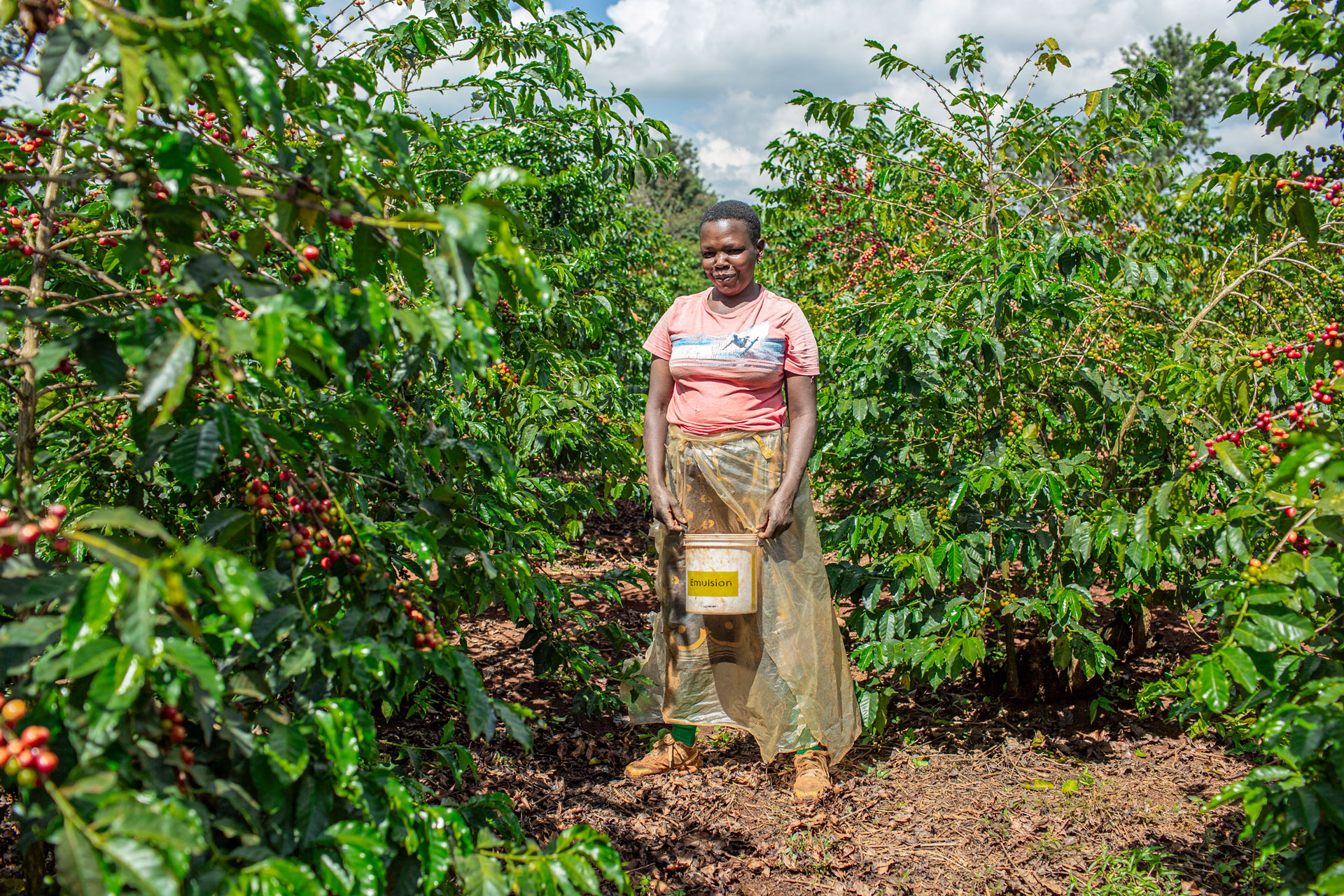
Coffee does not travel in a straight line from farm to roaster. It moves through landscapes, cultures, infrastructure and people, each shaping the final cup. In East Africa, these realities are especially diverse. NKG East Africa’s regional model was built by acknowledging this complexity rather than trying to simplify it.
This is the story of that journey.
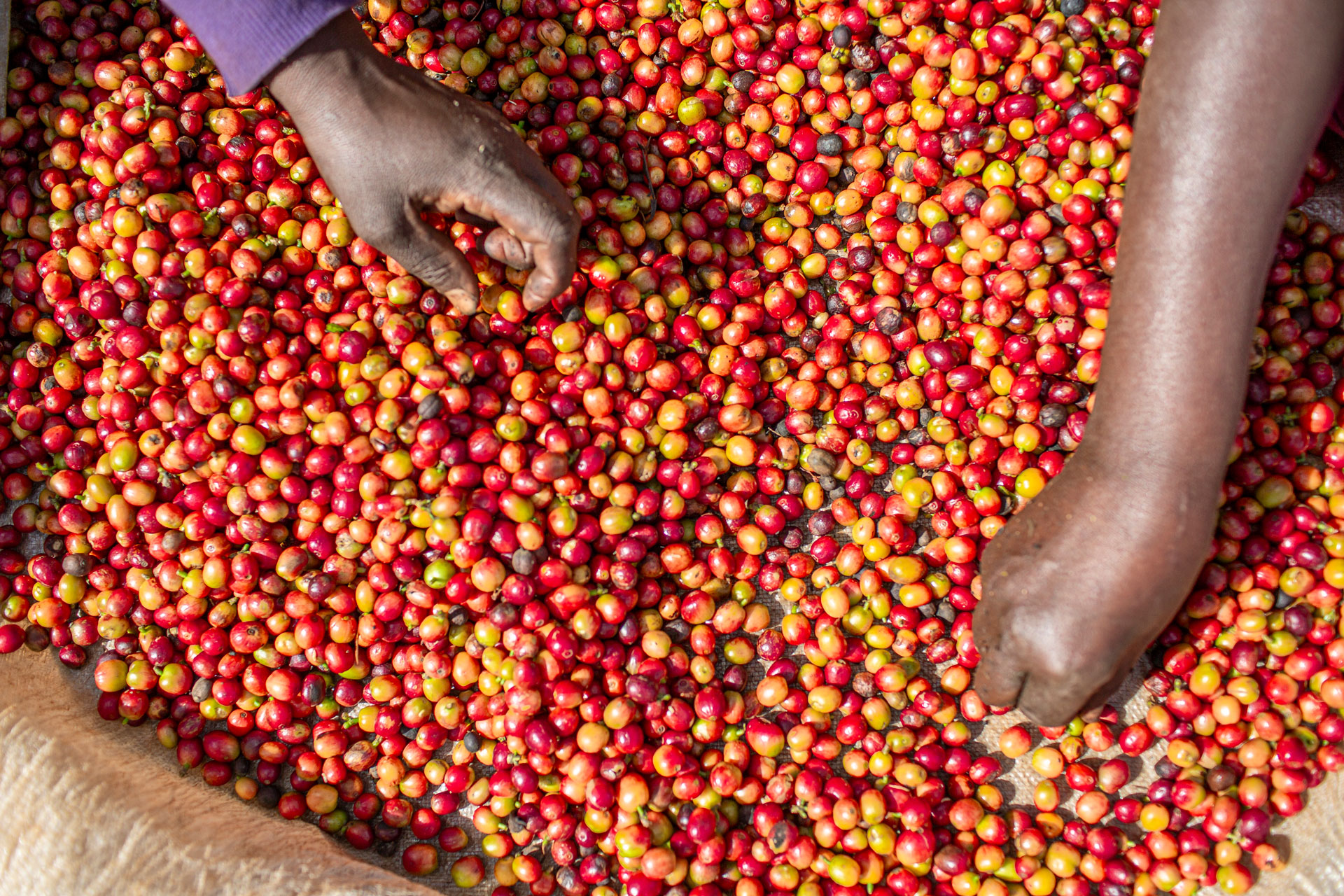
Photos by: Alice Oldenburg
The reality at origin
“The more time you spend at origin, the more you realise there is no single blueprint for success. Each context asks something different of you. Our responsibility is to respect those differences rather than try to simplify them.”
Christophe Brinker, Country Manager Tanzania
Coffee in Kenya, Tanzania and Uganda is shaped by very different local conditions.
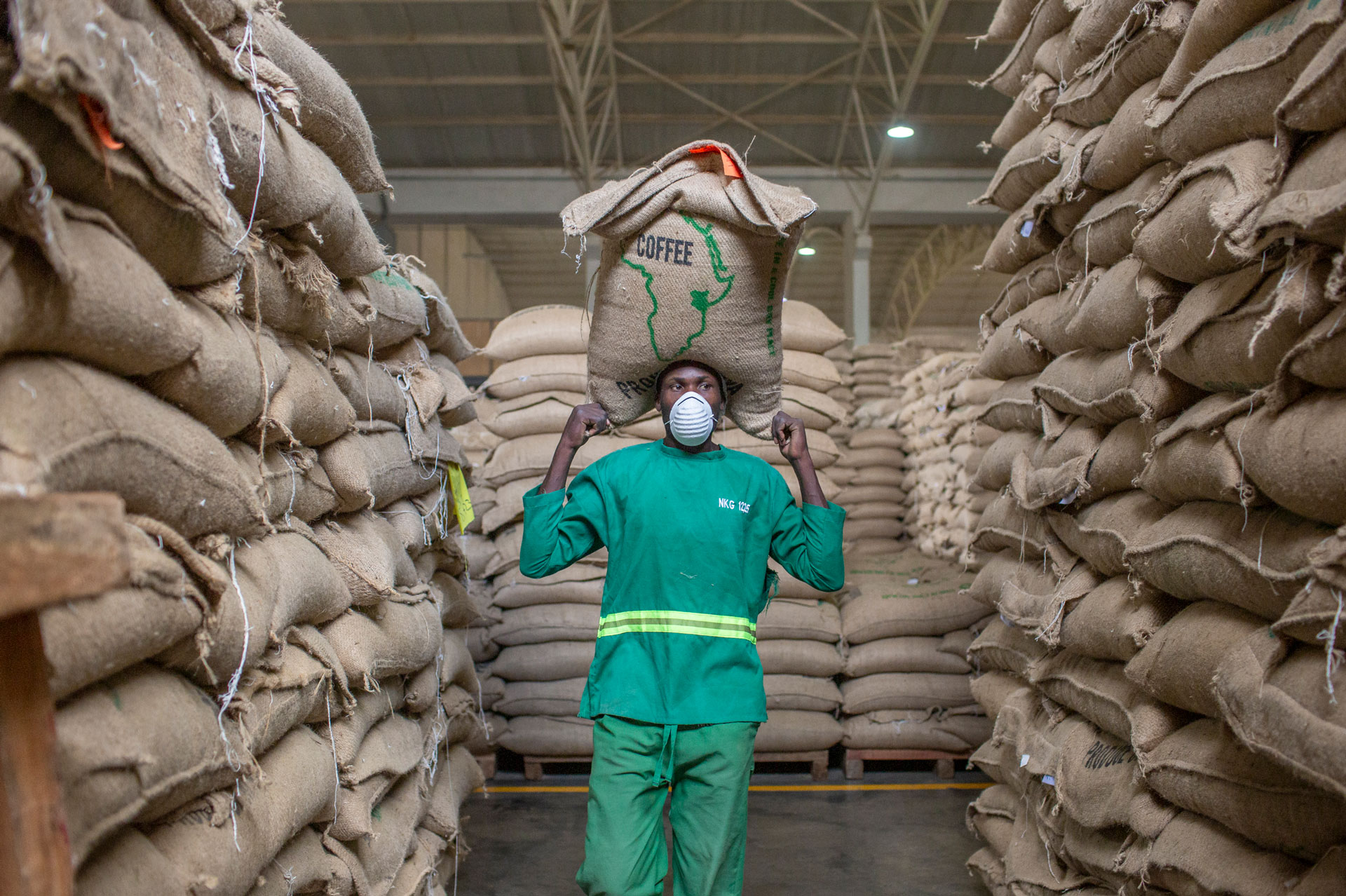
Uganda operates as a landlocked origin, with logistics and export routes that differ fundamentally from its coastal neighbours. Kenya and Tanzania rely on their own seaports, each with distinct systems, timelines and cost structures. The way coffee is produced and organised also varies widely, from predominantly smallholder systems to more cooperative based models, requiring different approaches to engagement, support and quality management.
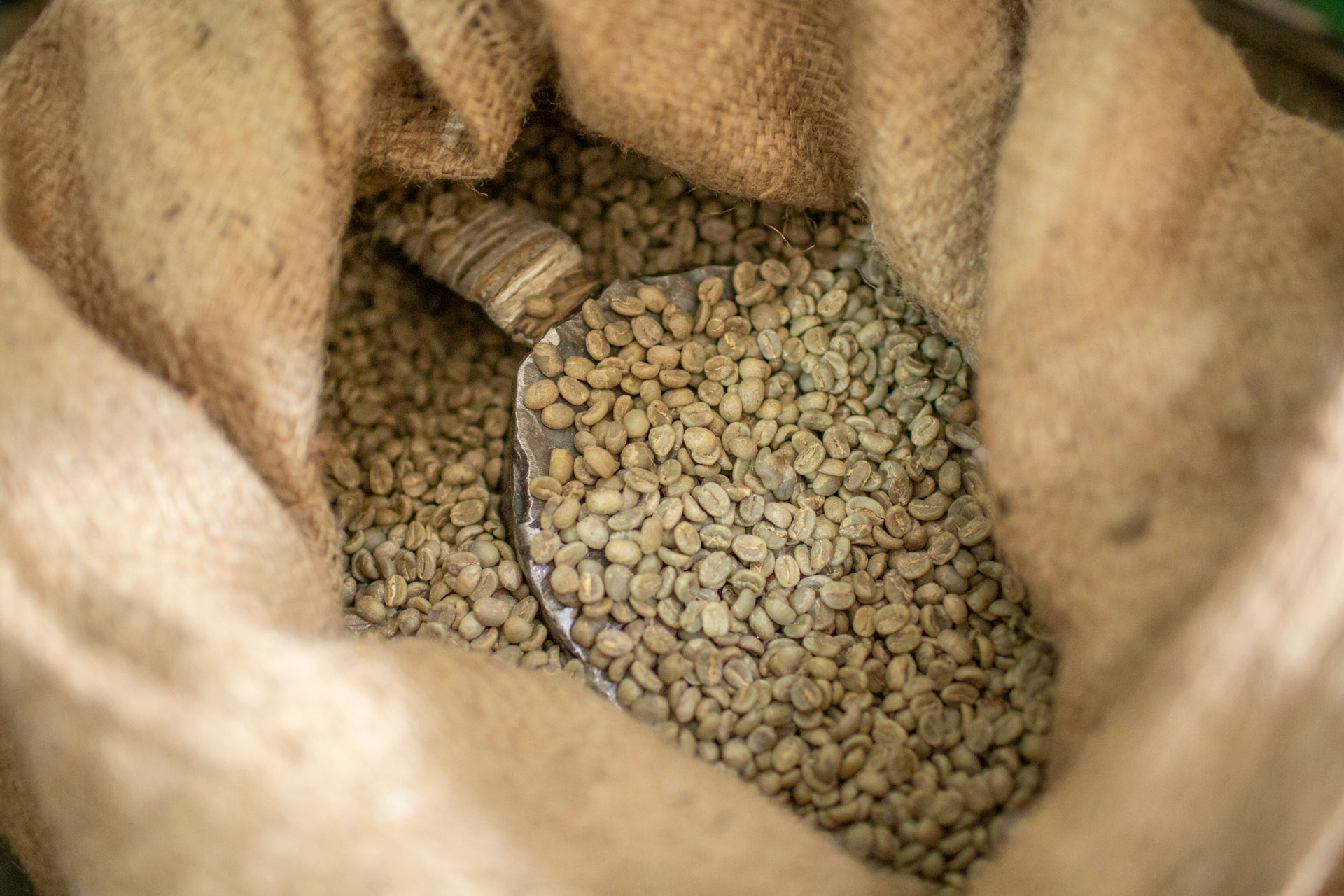
Coffee profiles add another layer of distinction. Kenya’s Arabica, Tanzania’s mix of Arabica and Robusta, and Uganda’s predominantly Robusta production each come with their own market expectations and quality considerations.
Taken together, these differences make one thing clear. Operating at origin cannot be standardised.
The challenge of fragmentation
While local independence is essential, operating entirely in silos brings its own challenges. Fragmentation can lead to inefficiencies, inconsistent ways of working and missed opportunities to share knowledge or build scale.
Customers sourcing across multiple origins increasingly look for reliability, transparency and alignment, without losing what makes each origin distinct. For teams on the ground, fragmented structures can limit the ability to invest in people, technology and long term sustainability initiatives.
The challenge, then, was not choosing between local presence or regional coordination, but finding a way to do both.
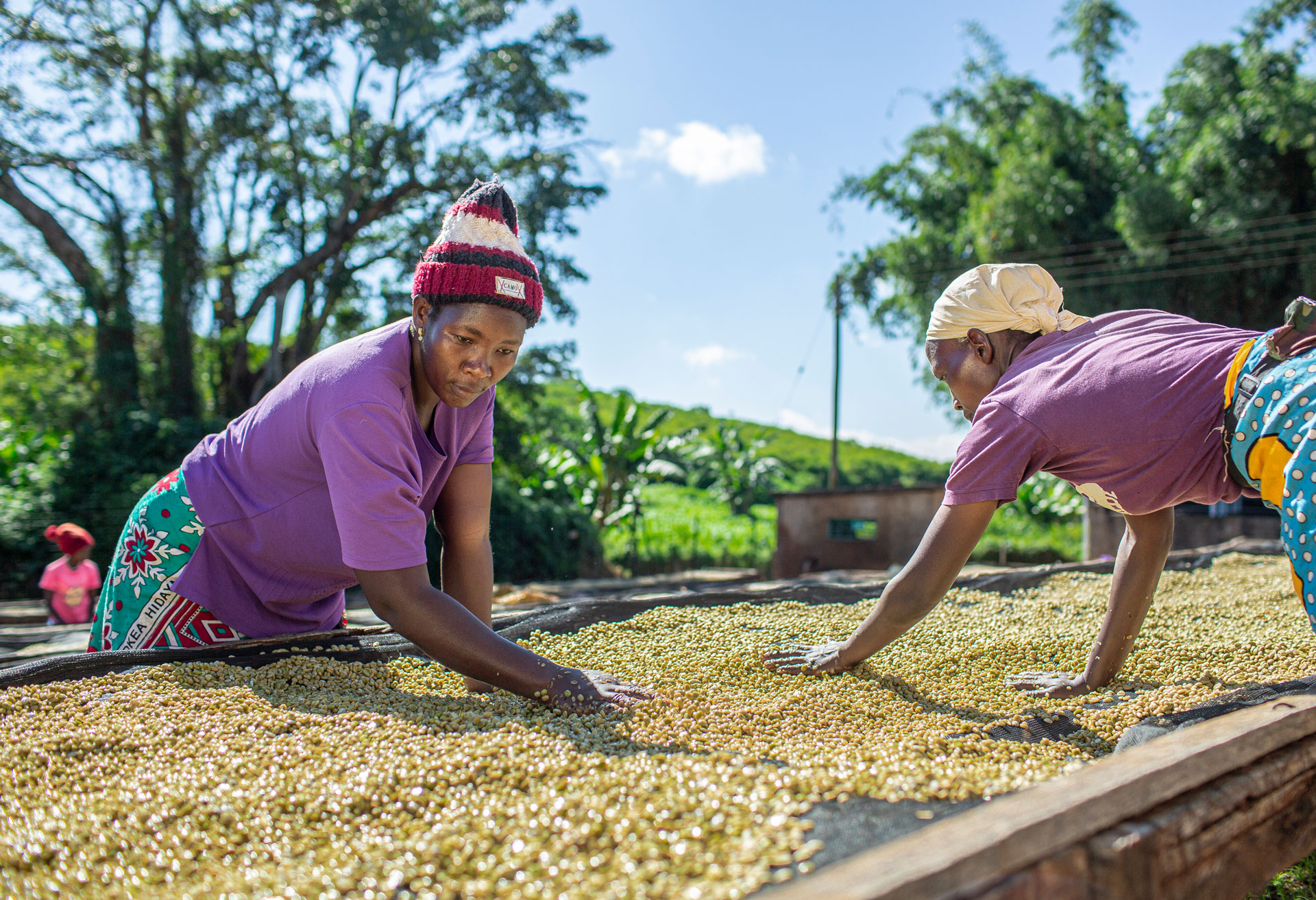
Photo by: Alice Oldenburg
The regional solution
“We did not build a regional structure to centralise control. We built it to create alignment and trust. Local teams remain closest to the realities on the ground, while the regional platform ensures we are moving in the same direction.”
Cariappa Nadikerianda, COO NKG East Africa
NKG East Africa’s answer is a regional model built on aligned independence.
Operations in Kenya, Tanzania and Uganda remain locally accountable, with teams empowered to respond to their specific cultural, regulatory and logistical environments. Alongside this, a regional team based in Nairobi coordinates strategy and supports local management across key areas of the business, including commercial activities, sustainability, human resources, quality, logistics, compliance and IT.
By bringing this expertise together under one regional umbrella, NKG East Africa operates as a one stop shop for green coffee sourcing across the region. Customers benefit from a single, coordinated partner, while origin teams retain the flexibility and ownership required to perform effectively on the ground.
This structure creates clarity. Local teams lead execution at origin, while the regional platform provides direction, consistency and shared tools, ensuring that all three origins work towards common goals while remaining responsive to local realities.
Impact across farmers, teams and customers
The impact of this model is felt across the entire supply chain.
For farmers and producer partners, shared learning across countries strengthens sustainability programmes and accelerates the adoption of proven approaches, while still respecting local context. A coordinated regional voice also supports stronger collaboration with global partners when developing and scaling projects at origin.
For teams, regional alignment reduces duplication and unlocks efficiencies. This creates space to invest in skilled people, improved systems, modern equipment and long term partnerships.
For customers and roasters, the result is consistency without uniformity. Quality management, sustainability frameworks and logistics are aligned across the region, offering reliability and transparency, particularly for those sourcing from more than one East African origin, while preserving each origin’s individual character.
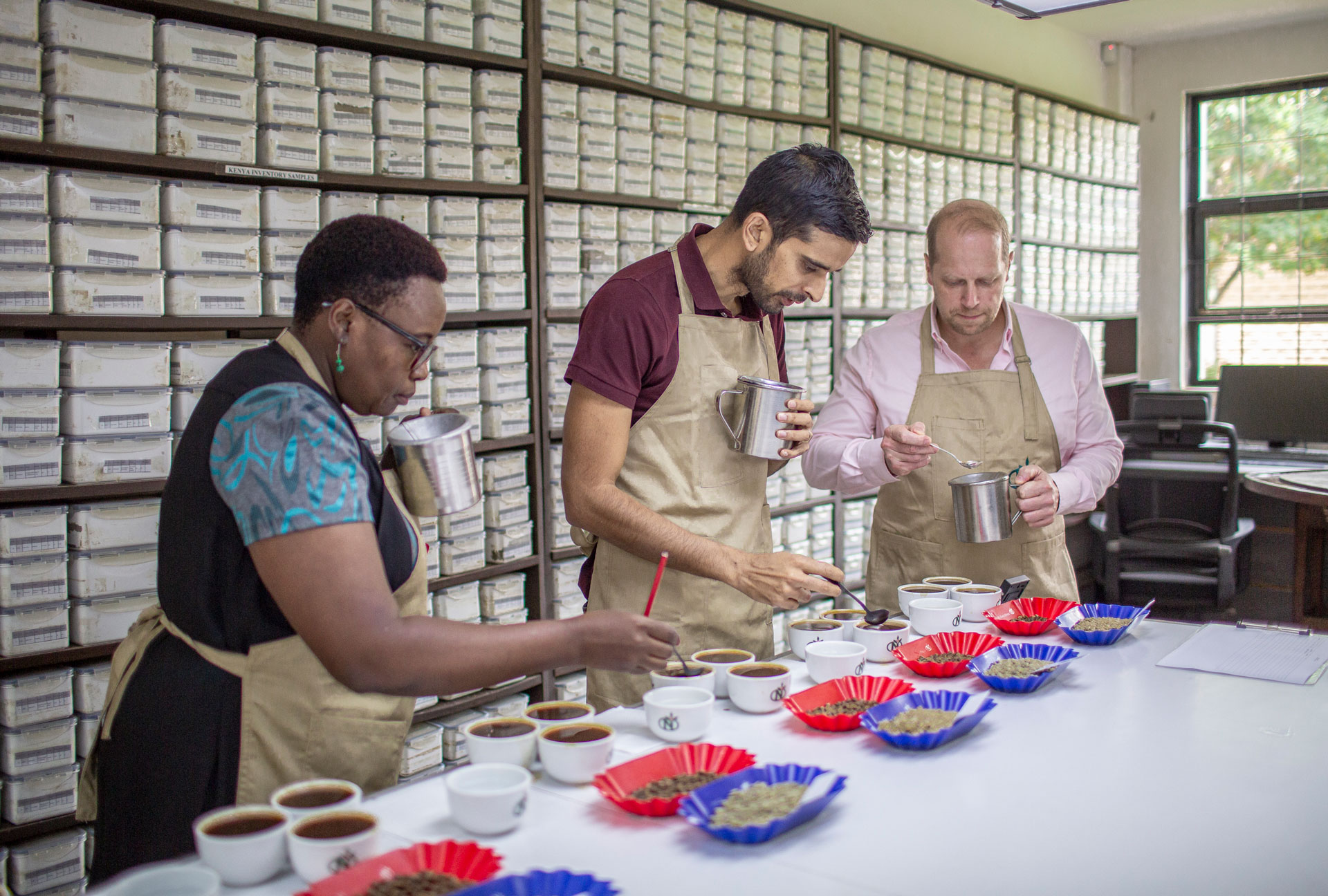
Photo by: Alice Oldenburg
The future of the model
The journey continues.
A key next step for NKG East Africa is the investment in a new state of the art mill in Uganda. This development will strengthen regional capabilities, support further quality improvements and reinforce NKG East Africa’s position as a leading green coffee player across the region, building on the strong foundations already established in Kenya and Tanzania.
From local presence to regional strength, NKG East Africa’s model reflects the realities of origin while delivering consistency, impact and value across borders. It is a journey shaped by difference, connected through alignment and driven by a long term commitment to East Africa’s coffee sector.
“As origin realities shift and expectations evolve, we will continue refining how we work, but always with the same focus on resilience and partnership.“
Konrad Guertler, Co-Managing Director Ibero Uganda
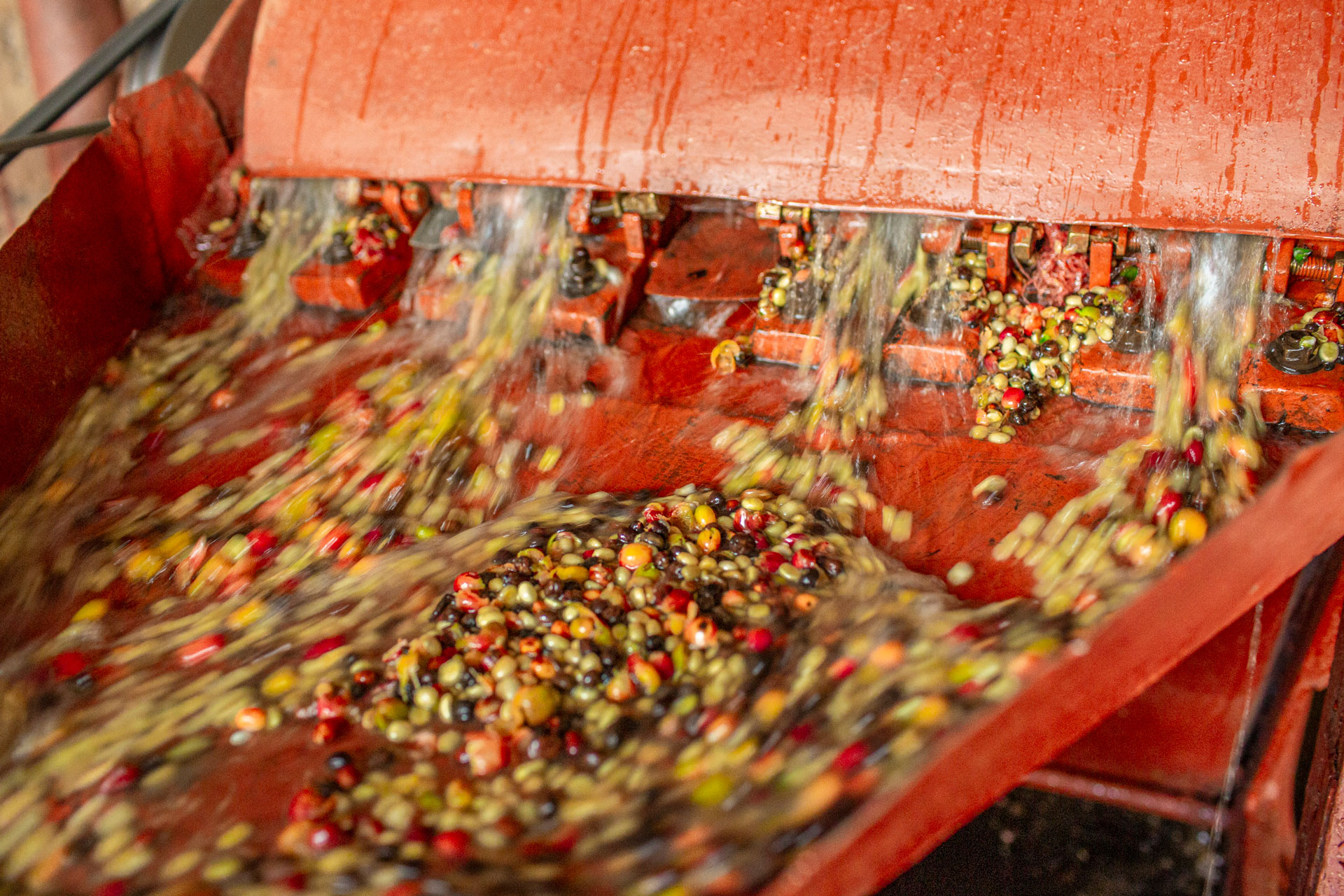
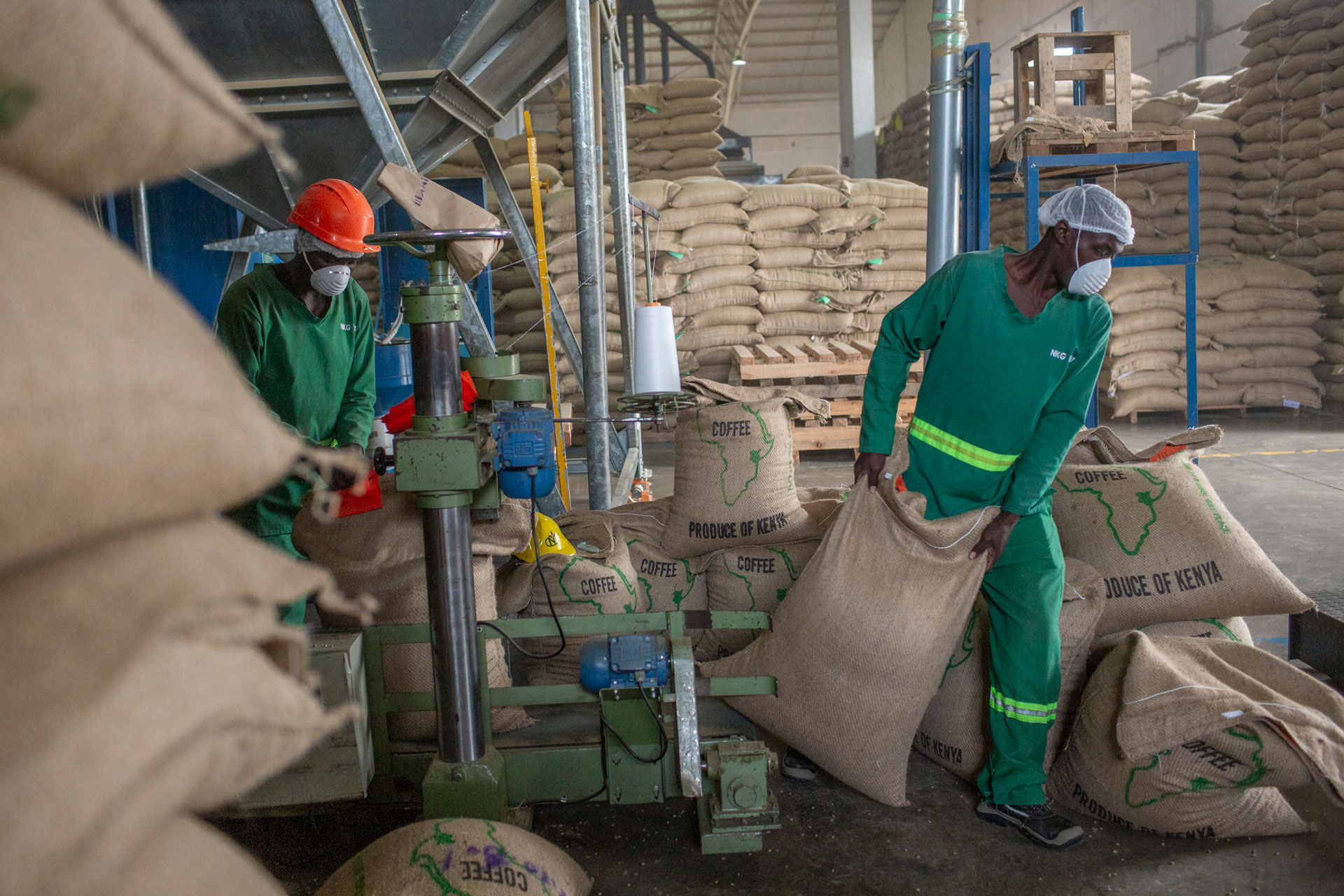
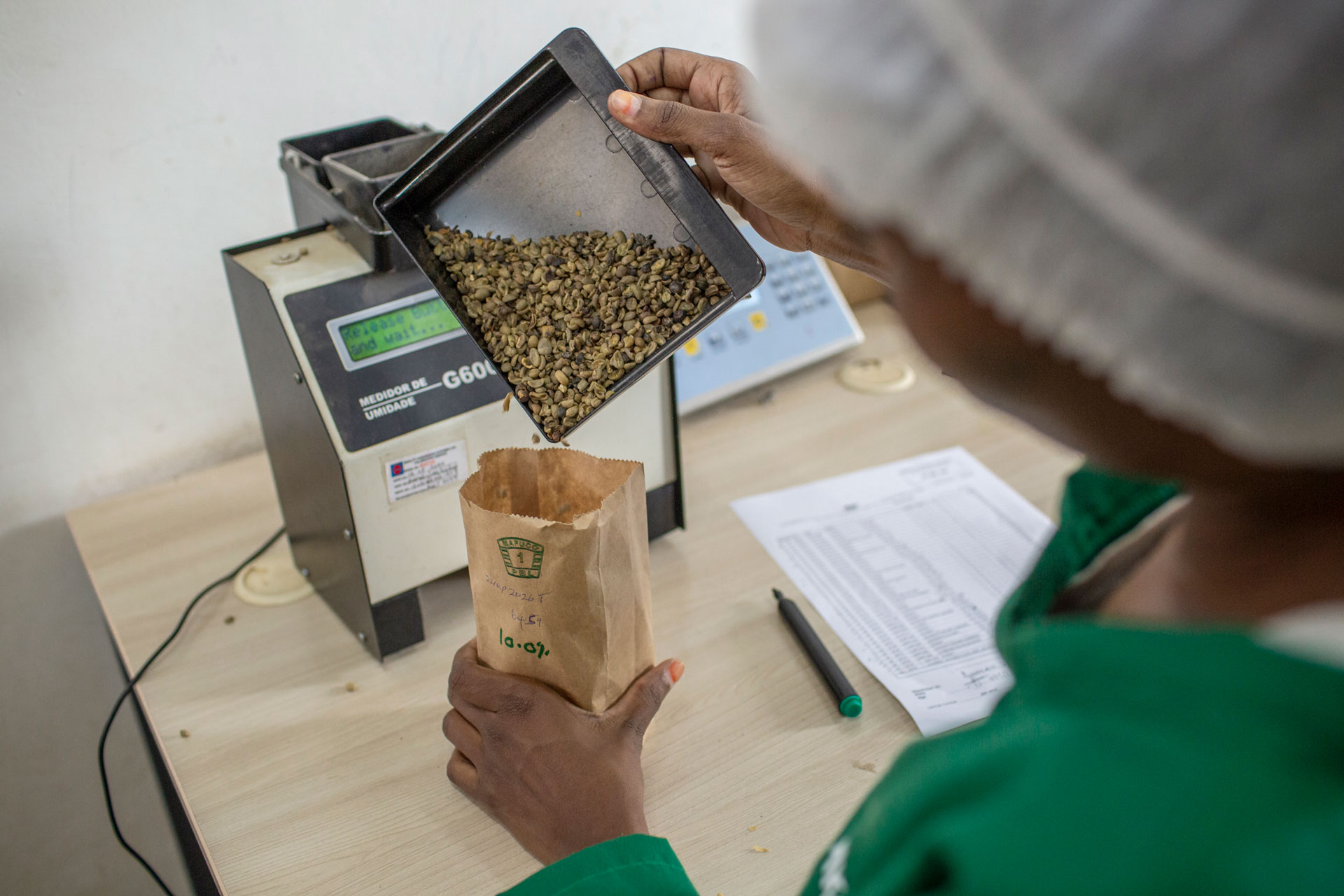
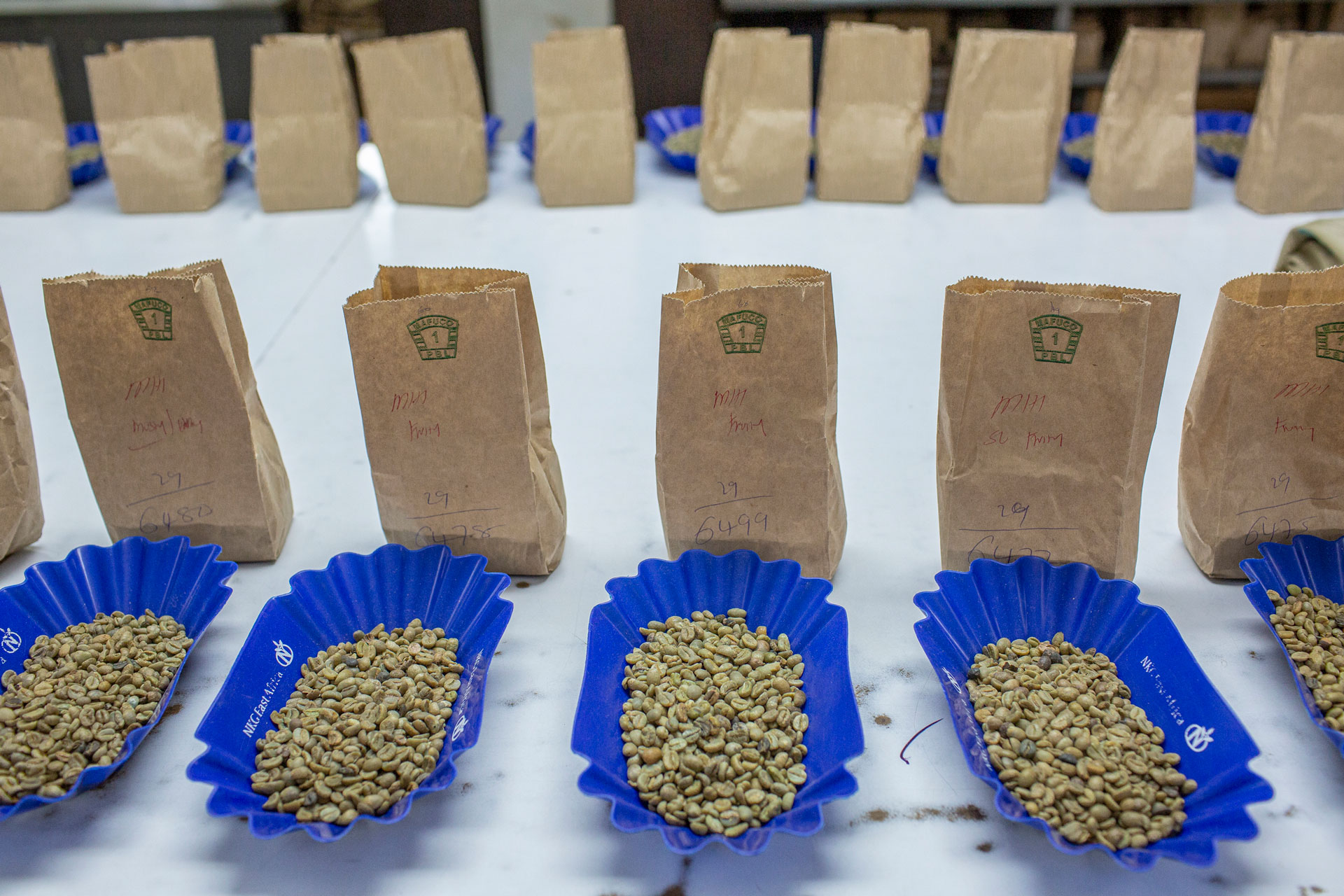
Photos by: Alice Oldenburg
